RBKC council rules for bulky rubbish in Kensington
Posted on 07/07/2026
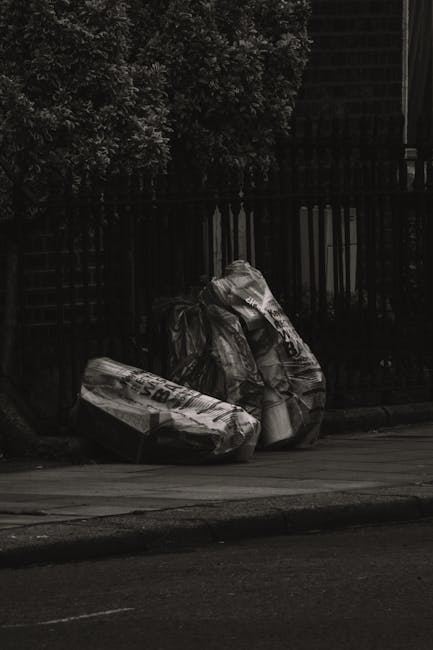
RBKC Council Rules for Bulky Rubbish in Kensington: A Practical Guide for Residents and Property Managers
If you live or work in Kensington, bulky waste has a way of arriving at the least convenient moment. A broken wardrobe, a tired sofa, a mattress that will not fit through the hallway, or the aftermath of a flat clear-out can suddenly take over the space. Understanding RBKC council rules for bulky rubbish in Kensington helps you deal with it properly, avoid missed collections, and make a sensible call between council disposal and a private collection service.
Truth be told, most people do not need a complicated policy lecture. They need to know what counts as bulky rubbish, what the council expects, what usually causes problems, and what the fastest lawful route is when time is tight. This guide does exactly that. It also covers practical steps, common mistakes, and the kind of planning that saves you from awkward doorstep pile-ups and last-minute stress.
For readers managing a move, a renovation, an estate clearance, or just a bulky item that has outstayed its welcome, this article gives you the plain-English version first, then the detail underneath.
- Why RBKC council rules for bulky rubbish in Kensington matters
- How the bulky waste process works
- Key benefits and practical advantages
- Who this is for and when it makes sense
- Step-by-step guidance
- Expert tips for better results
- Common mistakes to avoid
- Tools, resources and recommendations
- Law, compliance, standards, or best practice
- Options, methods, or comparison table
- Case study or real-world example
- Practical checklist
- Conclusion
- Frequently asked questions
Why RBKC Council Rules for Bulky Rubbish in Kensington Matters
Bulky waste is not just "big rubbish". In practice, it can affect safety, access, neighbours, and whether your building stays tidy and compliant. Kensington is a dense part of London, with narrow frontages, shared entrances, basement flats, managed blocks, terraces, mansion blocks, and busy streets. That means a simple pile of unwanted furniture can become a real headache quite fast.
RBKC council rules matter because they help set expectations around how large items should be presented, what can be taken, and what is likely to need special handling. If you ignore those rules, you risk leaving items on the pavement too early, blocking access, causing complaints, or booking the wrong kind of collection. Nobody wants that awkward moment when a sofa is sitting outside longer than expected, getting damp in the drizzle and being eyed by every passer-by.
The other reason this topic matters is cost. Bulky items often look like a straightforward job, but disposal can involve lifting, sorting, transport, and lawful treatment at a licensed facility. Choosing the wrong route can lead to delays, extra fees, or items being rejected entirely. For landlords, managing agents, and busy homeowners, a little planning goes a long way.
In our experience, the best outcomes come when people treat bulky rubbish as a small logistics task rather than a casual dump-and-go situation. That one mindset shift saves a surprising amount of trouble.
How RBKC Council Rules for Bulky Rubbish in Kensington Works
At a practical level, bulky waste rules usually revolve around three things: what the item is, where it is placed, and how it is collected. In Kensington, you should always check how the council expects bulky items to be presented before moving anything outside. That is especially important in streets where space is tight or where residents share entrances and front areas.
Bulky rubbish generally refers to items that are too large for ordinary household waste containers. Common examples include:
- sofas and armchairs
- mattresses and bed frames
- wardrobes and cupboards
- tables and chairs
- large appliances, where accepted
- mixed household items from a clear-out
Not every bulky item is handled in the same way. Some need separate treatment because of their material, weight, or safety risk. A broken fridge is not the same as an old dining chair, and builders' debris is a different category again. That distinction matters more than people think.
Usually, residents have two broad routes: a council collection arrangement or a private collection service. Council systems are often best for smaller, planned disposals where the item list is clear. Private services are often chosen when access is difficult, time is short, or the rubbish is part of a wider clearance. If you are dealing with a bigger job, services such as house clearance in Kensington or furniture disposal support may be more appropriate than trying to squeeze everything into a one-off bulky booking.
There is also a practical point many people miss: once items are outside, they become part of the street scene. That means timing matters. Putting them out too early can attract complaints, but putting them out too late can lead to missed collection windows. The sweet spot is exactly what you would expect from a well-run job - organised, labelled, and ready when needed.
Key Benefits and Practical Advantages
Following the rules is not just about compliance. Done properly, it makes the whole process easier and cleaner for everyone involved.
- Less risk of missed collection: clear presentation and correct timing reduce avoidable problems.
- Better neighbour relations: nobody enjoys tripping around an abandoned mattress in a shared entrance.
- Lower chance of extra charges: understanding item types and access requirements helps prevent surprises.
- Cleaner property handovers: useful for landlords, sellers, and agents preparing a flat for the market.
- Safer handling: large items often need two-person lifting and proper route planning.
There is another benefit worth mentioning. Clear disposal planning often improves the overall look and feel of the property much faster than people expect. A room can seem brighter and more usable the moment the old sofa or broken bed base is gone. It sounds obvious, but when you are standing in the flat with the door propped open and a hallway full of air, you notice it immediately.
If you are also thinking about sustainability, it is worth reviewing the site's recycling and sustainability approach. Bulky waste is not always just "remove and forget"; a good disposal route should consider reuse, recycling, and sensible sorting where possible.
Who This Is For and When It Makes Sense
This topic is relevant to far more people than first-time movers. In Kensington, bulky rubbish comes up in all kinds of everyday situations.
- Homeowners replacing furniture or clearing a spare room
- Tenants who need to leave a property tidy before check-out
- Landlords dealing with left-behind furniture or end-of-tenancy clutter
- Managing agents organising communal area clearances
- Offices replacing old desks, chairs, or filing units
- Trades and renovators with mixed waste after a small project
It makes sense to think about council rules when the job is small, the items are standard, and you are not under huge time pressure. But if you are dealing with awkward access, multiple floors, heavy furniture, or an item that needs rapid removal, a dedicated service may be more realistic. For example, a busy office clear-out often fits better with office clearance in Kensington than a one-off collection plan.
And for residents near the cultural and event-heavy parts of the borough, timing can matter even more. Around busy landmarks and residential streets, a badly timed item drop can get in the way of pedestrians or building staff. If that sounds familiar, you may also find this guide to rubbish disposal around Royal Albert Hall useful for thinking through access and timing issues in busy areas.
Step-by-Step Guidance
If you want the cleanest route through bulky rubbish in Kensington, use a simple sequence. No drama. Just a practical flow.
- Identify every item clearly. Make a list first. Separate furniture, appliances, general junk, and anything that might need special handling.
- Check the presentation rules. Confirm how and when items should be left out, especially if you are in a shared block or narrow street.
- Measure access points. A wardrobe that fits in the room may still snag on the stairwell. Kensington properties can be charming and awkward in equal measure.
- Decide whether council or private collection suits the job. Small, planned jobs may suit the council route. Larger or time-sensitive jobs often need a private collection.
- Prepare the items. Remove loose contents, empty drawers, secure sharp edges, and make the item safe to move.
- Move the waste at the right time. Do not put it out too early. Do not leave it until the last minute either. A bit of timing saves a lot of hassle.
- Keep a record of what you arranged. This is especially useful for landlords, agents, and anyone managing a property handover.
If you are under pressure, the best next step is to compare the job against general waste collection options in Kensington and see whether the collection type really matches the volume and access situation. A quick check now can stop a bigger issue later.
One small but important habit: photograph the items before they leave the property. It helps with tenant move-outs, building management records, and those "was that there already?" conversations nobody enjoys.
Expert Tips for Better Results
After handling plenty of clear-outs in busy London properties, a few patterns come up again and again.
- Bundle by category. Keep furniture separate from loose rubbish. It speeds up handling and reduces confusion.
- Prioritise access early. If the lift is small, the stairwell is narrow, or parking is limited, tell someone before the collection day. That detail changes everything.
- Think about timing around neighbours. Early morning is not always ideal in a quiet building. Late afternoon can be chaotic. Pick the least disruptive window you can.
- Use the right service for the right waste. Builders' debris, garden cuttings, office items, and domestic furniture each have different handling needs. If your load includes renovation debris, builders' waste disposal in Kensington is more relevant than a basic bulky collection.
- Keep reusable items out of the disposal pile. If something can be donated, sold, or reused, do that first.
There is also a human side to this. The smoother the disposal, the less your day gets eaten by a random sofa-shaped problem. And let's face it, nobody wants a sofa-shaped problem.
If you are arranging a larger property clear-out, you may find it useful to read about estate rubbish clearance in Holland Park, because the same access and planning lessons tend to apply across much of Kensington.

Common Mistakes to Avoid
Most bulky waste problems are not caused by the item itself. They are caused by a small planning slip.
- Leaving items out too early: this can create obstruction and complaints.
- Underestimating weight or size: that old dresser may be heavier than expected.
- Forgetting access constraints: a collection crew needs a clear route, not a maze of bikes, bins, and flower pots.
- Mixing unsuitable waste together: some items need separate treatment.
- Booking too late: if you need the space cleared before a move-out or refurbishment, do not leave it to the final day.
- Assuming all services are identical: they are not. Price, timing, access conditions, and waste types all matter.
A frequent issue in Kensington is access. Basement flats, controlled entry systems, and tight loading areas can turn a short job into a longer one. If that is your situation, it is worth reading what to know about access problems for Kensington rubbish jobs before you book anything.
Another common trap is hidden assumptions around price. People see bulky waste as "just one item" and expect it to be simple. But if the lift is small, the item is awkward, or the collection needs extra labour, the job is no longer as straightforward as it first looked. That is why clear quotes matter, and why many people check how to avoid hidden fees for rubbish collection in Kensington before confirming anything.
Tools, Resources and Recommendations
You do not need a van-load of equipment to handle bulky rubbish well, but a few simple tools make life much easier.
- Measuring tape: useful for doors, lifts, corridors, and awkward corners.
- Heavy-duty gloves: sensible for splinters, sharp edges, and dusty items.
- Straps or trolley: helpful when moving heavier objects safely.
- Protective floor covers: very useful in high-value interiors or freshly decorated spaces.
- Labels or sticky notes: ideal for separating what is going, what is staying, and what needs checking.
For more organised support, it can help to compare your situation against the wider service options on the site, including services overview and furniture disposal in Kensington. These pages are especially handy when you are working out whether the job is a single-item removal or something more involved.
And if you want a sense of what the team prioritises beyond the collection itself, the pages on insurance and safety and about us are useful for understanding working standards and practical care.
Law, Compliance, Standards, or Best Practice
For bulky rubbish, the safest approach is to follow accepted UK waste-handling practice: use a lawful collection method, keep items secure until collection, and make sure anything removed is handled responsibly. In general, residents and property managers should avoid placing waste in a way that obstructs the highway, creates a hazard, or risks fly-tipping.
Best practice also means knowing the difference between household bulky waste and other streams such as garden waste, renovation debris, or office equipment. For example, garden cuttings are a different job from a broken sofa, which is why garden waste removal in Kensington exists as a separate service. Likewise, office furniture and surplus desks fit a different planning route from domestic rubbish.
There is no virtue in guessing when it comes to waste compliance. If a load is mixed, heavy, or potentially restricted, ask first. That small pause can prevent a much bigger headache.
Expert summary: In Kensington, the best bulky rubbish outcome usually comes from three things working together: clear item sorting, correct timing, and the right collection method for the space you actually have. That is the boring answer. It is also the right one.
Options, Methods, or Comparison Table
If you are choosing between the main disposal routes, this simple comparison helps.
| Option | Best for | Pros | Watch out for |
|---|---|---|---|
| Council bulky collection | Smaller planned domestic jobs | Simple for straightforward items, familiar for residents | May be less flexible on timing or item types |
| Private bulky collection | Urgent, awkward, or larger jobs | More flexible, useful for tight access and mixed loads | Cost can vary depending on labour, access, and volume |
| Full clearance service | Moves, estates, refurbishments, office clear-outs | Best for larger volume and coordinated removal | Needs more planning upfront |
If your job is a same-day emergency, the difference between these options matters even more. A quick look at same-day rubbish removal in South Kensington can help you judge whether speed or budget should take priority. Sometimes you need the space cleared today. That is just life.
For a busy household clear-out, a more comprehensive approach may be closer to what you need than a one-item collection. In that case, a broader house clearance service in Kensington can be the calmer, neater option.
Case Study or Real-World Example
Picture a Kensington flat after a long tenancy. There is a bed base in one room, a sofa in the living room, a chipped coffee table, and several bags of mixed odds and ends from the cupboards. The landlord wants the property ready for cleaning the next morning, and the lettings team needs clean photos by lunchtime.
The first instinct is often to drag everything to the pavement and hope for the best. But that usually creates new problems. The hallway gets blocked, the item list is unclear, and the collection timing becomes a guessing game.
A better approach is much more boring, and much more effective:
- sort the furniture from the loose waste
- check access through the stairwell and entrance
- confirm which items can go together
- book the right removal route for the volume
- keep the property clear for cleaners and contractors
That is the real lesson. Not glamourous, but it works. And if the property is in a busier part of the borough, around landmark traffic or complex street access, the planning side matters even more. For similar coordination challenges, the real cost of last-minute rubbish collection in Kensington is worth a look because last-minute decisions tend to multiply small costs.
In that kind of scenario, a well-timed collection does more than remove waste. It keeps the whole schedule moving.
Practical Checklist
Use this checklist before you book or present bulky rubbish for collection:
- Identify every item clearly
- Separate furniture, appliances, and mixed rubbish
- Measure doorways, lifts, and stair turns
- Check the collection timing and presentation rules
- Make items safe to move
- Remove loose contents from drawers and cupboards
- Confirm whether access is straightforward
- Decide whether council, private collection, or full clearance is best
- Keep proof or notes of what was arranged
- Make sure nothing is left blocking shared access
If you are dealing with a broader move or renovation, it can also help to check supporting topics such as Kensington real estate deals or your Kensington property investment guide. They are not waste pages, of course, but they are useful context when disposal is tied to a sale, refurbishment, or rental changeover.
Conclusion
RBKC council rules for bulky rubbish in Kensington are really about keeping disposal orderly, safe, and manageable in a busy part of London. Once you understand what counts as bulky waste, how presentation and timing affect collection, and when a private service may be more practical, the whole process becomes much less stressful.
The key thing is not to overcomplicate it. Sort the items properly, think about access early, and choose the route that matches the size and urgency of the job. That approach saves time, avoids awkward surprises, and usually makes the rest of the day feel lighter. Which, honestly, is exactly what most people want when they are staring at a sofa they no longer love.
If you want a calmer, quicker way to handle bulky rubbish in Kensington, compare your options carefully and pick the solution that fits your building, your timing, and your patience level.
Get a free quote today and see how much you can save.

 Tipper Van - Rubbish Removal and Waste Collection Prices in Kensington, W8
 Luton Van - Rubbish Removal and Waste Collection Prices in Kensington, W8


