Rubbish disposal around Royal Albert Hall in Kensington
Posted on 08/05/2026
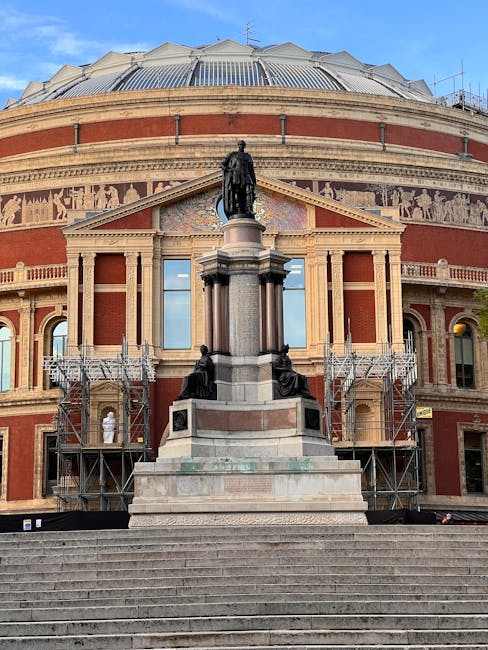
Rubbish disposal around Royal Albert Hall in Kensington: a practical local guide
If you need rubbish disposal around Royal Albert Hall in Kensington, you are probably dealing with more than just a few unwanted bags. Around the Hall, the streets can be busy, access can be tight, and timing matters more than people expect. A skipped bin lift, a post-event clear-up, or a flat clearance after a refurb can quickly turn into a nuisance if the waste is left sitting around. The good news? With the right approach, it is usually straightforward to clear waste safely, quickly, and without creating extra stress.
This guide breaks down how rubbish removal works in this part of Kensington, what to look out for, who it suits, and how to avoid the common mistakes that lead to delays or unnecessary cost. You will also find a practical checklist, a comparison of common disposal options, and a few local-minded tips that make the whole process feel much less like a chore. To be fair, that is half the battle.
Why Rubbish disposal around Royal Albert Hall in Kensington Matters
Royal Albert Hall sits in one of London's most recognisable and tightly managed areas. That matters because rubbish disposal here is not just about getting rid of waste; it is about doing it in a way that respects traffic, neighbours, access routes, and the character of the surrounding streets. The closer you get to Exhibition Road, South Kensington, and the residential streets around the Hall, the less forgiving the logistics become.
In practical terms, poor waste handling can lead to blocked walkways, complaints from neighbours, missed collections, and avoidable disruption on already busy streets. If you are dealing with an event, a property move, a renovation, or an office clear-out, you need waste removed with a bit of judgement, not just muscle. That is why local rubbish disposal services can be such a relief. They understand the rhythm of the area.
There is also a presentation angle. Kensington has a certain standard, let's face it, and loose waste piled outside a building does not sit well for long. Whether you are a resident, landlord, venue manager, or business owner, keeping the surroundings tidy is part of staying on the right side of both practicality and reputation. If you are managing a property nearby, you may also find our guide to Kensington real estate deals useful for understanding how property presentation and upkeep influence value.
How Rubbish disposal around Royal Albert Hall in Kensington Works
At a simple level, rubbish disposal follows the same pattern wherever you are in London: identify the waste, sort it, arrange collection, and make sure it is taken to the appropriate facility or recycling stream. The local twist is access. Around Royal Albert Hall, things like parking, loading space, pavement congestion, and time restrictions can shape how a job is carried out.
For a typical collection, the process usually looks like this:
- You describe the waste type, volume, and location.
- The provider estimates the vehicle size, crew, and access needs.
- A collection time is agreed, often with an emphasis on punctuality and quick loading.
- The crew arrives, assesses the items, and confirms what can be taken.
- Waste is removed, sorted where possible, and transported for disposal or recycling.
That sounds simple enough. The real value is in the preparation. If your waste is already grouped by type, clearly accessible, and placed where it can be collected safely, the job tends to go more smoothly. If not, even a small collection can turn into a longer visit than expected. Around a landmark area like this, a bit of organisation goes a long way.
For larger clearances, services may be better matched to the job. For instance, heavy household waste and bulky items are often best handled through house clearance in Kensington, while old desks, filing cabinets, and office furniture may suit office clearance services. If you are moving out sofas, wardrobes, or other oversized pieces, furniture disposal in Kensington can be a cleaner, faster fit than trying to dismantle everything yourself.
Key Benefits and Practical Advantages
The main benefit of using a professional rubbish disposal service near Royal Albert Hall is simplicity. You hand over the messy part and avoid the awkward middle stage where waste sits around making life difficult. But the benefits go beyond convenience.
- Time savings: No repeated trips to a tip, no waiting around for limited slot availability, and no wrestling a mattress down staircases for half the afternoon.
- Better access planning: Local teams are more likely to understand narrow streets, loading challenges, and the need for efficient turnaround.
- Safer handling: Heavy, awkward, or sharp waste can be removed with proper lifting methods and suitable equipment.
- Cleaner finish: Once the waste is gone, the space feels usable again. That sounds obvious, but the relief is real.
- More recycling potential: Reputable operators aim to separate recyclable materials wherever possible, which supports better waste outcomes.
There is also a subtle but important advantage: peace of mind. When rubbish is cleared properly, you are less likely to get follow-up headaches about complaints, fly-tipping concerns, or overlooked items left behind. For businesses and landlords especially, that matters more than people sometimes admit.
If sustainability is a priority, take a look at recycling and sustainability practices. It is a useful reminder that disposal does not have to mean wasteful disposal.
Who This Is For and When It Makes Sense
This kind of service is for anyone who needs waste removed in or around the Royal Albert Hall area without the fuss of doing it themselves. The most common situations are probably more ordinary than you might think.
Typical users include:
- Residents clearing out flats, spare rooms, lofts, or communal storage areas
- Landlords and letting agents preparing a property between tenancies
- Venue teams handling event-related waste or post-function clear-downs
- Office managers replacing furniture or removing surplus equipment
- Builders and tradespeople dealing with refurbishment waste
- Gardeners or property owners who need seasonal green waste removed
It makes sense whenever the waste is too bulky for normal bins, too much for one person to move comfortably, or too urgent to leave sitting. A same-day option can be especially useful if you are working to a handover deadline or an event schedule. If that sounds familiar, our same-day rubbish removal guide for South Kensington offers a helpful local comparison.
Sometimes the trigger is not a huge project at all. It is just one awkward moment: a broken wardrobe in the hallway, a pile of boxes after a delivery, or a renovation skip that cannot fit where you need it. In that case, a quick collection can be the difference between a calm day and a mildly chaotic one. We have all had those days.
Step-by-Step Guidance
If you want the smoothest possible experience, it helps to approach rubbish disposal in a structured way. Here is a practical, real-world process that works well around Royal Albert Hall and the wider Kensington area.
- List everything you want removed. Be specific. "Old furniture, some bags, and a broken shelf" is useful. "A few bits and pieces" is less useful.
- Separate the waste by type. Keep general rubbish, recyclables, furniture, and any potentially restricted materials apart if possible.
- Check access. Think about stairwells, lifts, entry codes, loading points, and whether anything needs to be carried through a shared area.
- Measure bulky items. A quick measurement can save time later, especially for wardrobes, bed frames, or office storage units.
- Choose the right service level. A small collection is not the same as a full clearance. Match the service to the amount of waste, not the other way round.
- Ask about recycling and disposal routes. It is reasonable to ask how much can be reused or recycled.
- Confirm the collection window. In busy parts of London, timing really matters. Morning visits are often easier, but not always. Depends on the day.
- Make the waste easy to reach. The less time spent carrying items through tight spaces, the better for everyone.
A good rule of thumb: if you are already feeling annoyed just thinking about moving the waste yourself, it is probably time to get help. No need to make life harder than it needs to be.
For broader service planning, it may help to review the full waste collection service overview so you can see how household, business, and specialist clearances fit together.
Expert Tips for Better Results
Small details make a big difference here. In our experience, the smoothest jobs around Kensington tend to share a few habits.
- Photograph the waste before booking. A quick set of pictures can help avoid misunderstandings about quantity and access.
- Keep pathways clear. Even a narrow side passage can save a lot of carrying time if it is unobstructed.
- Label mixed waste if needed. This is especially handy for offices, stores, and cleared rooms where different teams have left items behind.
- Plan around building rules. Some properties have porters, management restrictions, or limited loading periods. Check first.
- Think in zones. Group waste close to the exit, but not in a way that blocks residents or visitors.
- Use the right service for the job. Builders' rubble, old lounge furniture, and green waste each need a slightly different approach.
One practical tip people often overlook: if you are clearing a room, start near the doorway and work inward. It sounds almost too simple, but it keeps the route out open and reduces that "where did all this come from?" feeling midway through.
If your waste includes construction debris, take a look at builders waste disposal in Kensington. For garden cuttings, branches, and soil-related green waste, garden waste removal in Kensington is often the more appropriate route.

Common Mistakes to Avoid
The biggest mistakes are usually not dramatic. They are the ordinary ones that create unnecessary friction.
- Underestimating the volume: One corner full of items can turn into far more once it is gathered together.
- Leaving access until the last minute: A collection team cannot work efficiently if they arrive to find blocked doors or no parking plan at all.
- Mixing restricted or specialist waste with general rubbish: Some items need separate handling, and it is better to flag that early.
- Forgetting about shared spaces: In apartment blocks and managed buildings, neighbours and staff may be affected if waste is left out too long.
- Choosing the cheapest option without checking what is included: Price matters, yes, but so does whether loading, disposal, and clear communication are part of the service.
There is also the classic mistake of trying to do everything in one rushed sweep after work, just as the bins are full, the light is fading, and everyone is tired. That rarely feels glorious. Better to plan properly and make the job manageable.
Tools, Resources and Recommendations
You do not need specialist kit to prepare for rubbish disposal, but a few simple tools can help.
- Heavy-duty bags or boxes for smaller loose waste
- Gloves for handling dusty, sharp, or grimy items
- Tape measure for bulky furniture
- Phone camera to document access and item volume
- Basic labels or markers for sorting items by room or type
- Checklists for removals involving more than one room or department
For readers who are comparing service types, the following pages may also help you narrow things down: general waste collection in Kensington for routine disposal, and about the team if you want to understand the business behind the service before booking. If you are concerned about how payments are handled, the page on payment and security is worth a quick look.
And if you are the sort of person who likes to check the fine print first, fair enough. The pricing and quotes page can help set expectations before you request a visit.
Law, Compliance, Standards, or Best Practice
Rubbish disposal in London should always be handled responsibly. While the exact legal duties can vary depending on the type of waste and who produced it, a few best-practice principles always apply. Waste should not be dumped, left unsecured, or handed to someone who cannot properly account for where it is going.
For businesses, landlords, and contractors, keeping records and using a reputable carrier is wise. For domestic customers, the main thing is to avoid anything that looks suspiciously cheap or informal if you are not sure the waste will be managed properly. If a price sounds too good to be true, it sometimes is. Not always, but sometimes.
It is also sensible to ask whether a provider has appropriate safety arrangements, especially if heavy lifting, shared access, or awkward materials are involved. Our insurance and safety information explains the kind of reassurance people often want before booking a collection.
When in doubt, choose the more careful route. Respect for neighbours, building rules, and lawful disposal is not just about avoiding problems; it is part of being a decent local operator in a busy part of London.
Options, Methods, or Comparison Table
There are several ways to handle waste near Royal Albert Hall. The best choice depends on urgency, volume, access, and the type of rubbish you have. Here is a simple comparison.
| Method | Best for | Strengths | Limitations |
|---|---|---|---|
| Kerbside bin disposal | Small everyday household waste | Simple and familiar | Not suitable for bulky or excess waste |
| Self-haul to a recycling facility | People with a vehicle and time | Direct control over disposal | Time-consuming, parking and loading hassles, and not ideal for heavy items |
| Skip hire | Projects with ongoing waste generation | Useful for sustained renovations | Space, permit, and access considerations can be awkward in tight areas |
| Professional rubbish collection | Most mixed or bulky waste jobs | Fast, convenient, and usually less disruptive | Needs clear communication about volume and access |
For many households and businesses around the Hall, professional collection is the most balanced choice. It is often quicker than self-hauling and less intrusive than placing a large skip in a constrained street. If you are weighing options for a bigger clean-out, you might also explore house clearance support or office clearance support depending on the setting.
Case Study or Real-World Example
Imagine a small property just off the Royal Albert Hall area after a long refurbishment. There are flat-pack boxes, broken shelving, some old paint tins that need checking, two bulky armchairs, and a heap of general rubbish from the final tidy-up. The residents have a moving deadline the next morning, and the hallway is narrow. Not ideal.
Instead of trying to move everything in stages over several evenings, they separate the waste into two groups: bulky items and general rubbish. Photos are taken, access details are shared, and the collection is booked for an early slot before the street gets busier. On arrival, the crew can reach the items quickly because they have already been staged near the exit. The job is completed without blocking the shared entrance, and the flat is left clear for the handover.
Nothing flashy there, just good planning. But that is often what makes the difference. The work does not need to become a mini-drama. It can just get done.
A very similar approach works for venue-related clear-ups too. If you are dealing with after-hours waste from a private function, our article on party venues in Kensington may give some useful local context around how event spaces and their surroundings function.
Practical Checklist
Use this checklist before booking or on the morning of collection.
- Have I identified exactly what needs removing?
- Have I separated furniture, general waste, and recyclable materials where possible?
- Are there any items that may need special handling?
- Have I checked access, parking, and building rules?
- Have I taken photos or rough measurements of larger items?
- Is the waste easy to reach from the collection point?
- Do I know whether I need a same-day or scheduled collection?
- Have I confirmed pricing expectations and what is included?
- Have I asked about recycling or disposal routes?
- Is the collection team aware of any time restrictions or entry procedures?
Quick takeaway: the more prepared you are, the less expensive, stressful, and messy the job usually becomes. Simple as that.

Conclusion
Rubbish disposal around Royal Albert Hall in Kensington works best when it is handled with local awareness, clear communication, and a bit of planning. The area is busy, access can be constrained, and waste often needs to be removed without causing disruption to residents, visitors, or nearby businesses. Once you understand the process, though, it becomes much easier to manage.
Whether you are clearing a flat, emptying an office, handling event waste, or dealing with bulky household items, the right disposal approach saves time and reduces stress. And frankly, a tidy space just feels better. Less clutter, fewer loose ends, more breathing room.
If you are ready to move from planning to action, Get a free quote today and see how much you can save.
For more background on the company and its wider Kensington coverage, you can also read the local Kensington neighbourhood guide or review the terms and conditions before booking. A little diligence now can save a lot of bother later.


