Common delays for rubbish removal in Kensington and fixes
Posted on 18/06/2026
If you have ever booked a clearance and watched the minutes turn into hours, you will know how frustrating rubbish removal delays can be. In Kensington, that frustration can feel even sharper. Tight streets, parking pressure, busy landlords, awkward access, and last-minute job changes all play a part. The good news? Most delays for rubbish removal in Kensington and fixes are predictable once you know where the bottlenecks come from.
This guide breaks down the real reasons collections get held up, what they look like on the day, and the simplest ways to prevent them. Whether you are clearing a flat, an office, a garden, or a builder's pile of waste, a bit of planning makes a big difference. And honestly, it saves everyone that awkward "we're just waiting on one thing" conversation.
For readers who want to understand the wider service picture first, it can help to look at the services overview and the company's practical guidance on waste collection in Kensington.
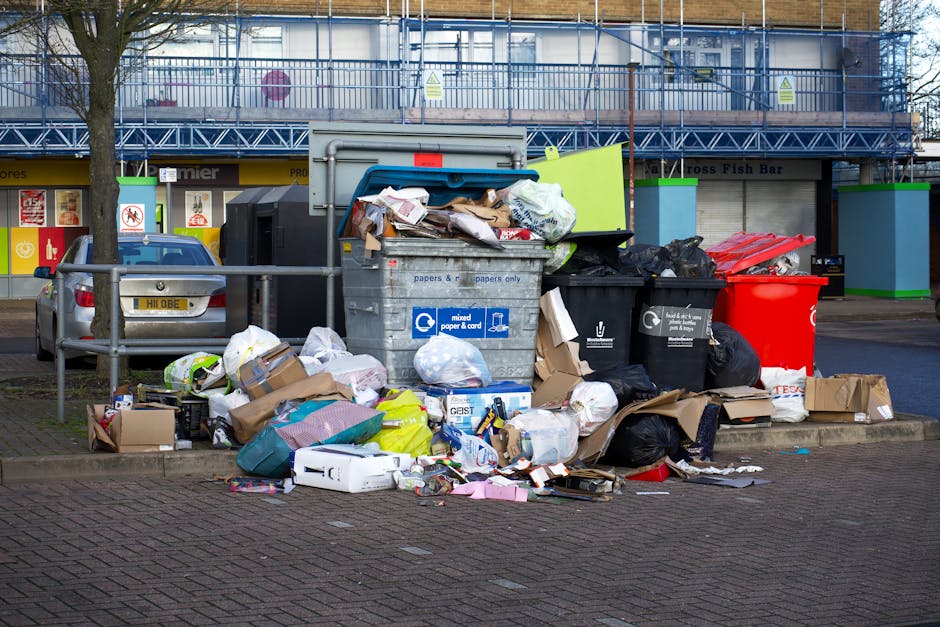
Why Common delays for rubbish removal in Kensington and fixes Matters
In a place like Kensington, a delay is rarely just a delay. It can throw off a move-out, slow down a refurbishment, block access in a communal entrance, or leave a garden half-cleared before visitors arrive. Kensington properties often have narrower access, more shared buildings, and higher day-to-day footfall than people expect. That means a small problem at the start can snowball quickly.
There is also a financial side. If a collection overruns, you may face extra labour time, parking issues, or the need to reschedule entirely. On the flip side, a well-planned clearance tends to be calmer, quicker, and cleaner. Less waiting. Less back-and-forth. More done in one visit.
This matters especially for landlords, estate managers, letting agents, businesses, and homeowners working to a deadline. A same-day or next-day slot sounds ideal, but in real life the job still needs the right prep. If your clearance is tied to a move, a handover, or an event, even an hour's slip can be enough to create stress. Anyone who has tried to coordinate a lift, a tenant checkout, and a van on a busy Kensington street will know what that feels like.
Practical takeaway: most rubbish removal delays are not random. They come from access, parking, item mix, timing, or poor job preparation. Fix those five things, and you remove a lot of the friction.
How Common delays for rubbish removal in Kensington and fixes Works
Rubbish removal is usually straightforward on paper. You book a slot, the team arrives, they load waste, and they dispose of it responsibly. In practice, the day often begins with a few questions: Can the vehicle stop nearby? Is there a lift? Are the items what the quote described? Will the waste need to be separated? That is where delays start to creep in.
In Kensington, collections often involve shared access, resident permits, timed loading windows, or busy roads near restaurants, schools, and event spaces. A van might arrive on time but still lose half an hour finding safe stopping space. Or the crew may be ready, only to discover bulky furniture has not been moved from the top floor as expected. It is not dramatic, just messy in a very ordinary way.
Fixes work best when they happen before the crew turns up. Clear photos, accurate item lists, access notes, and realistic time expectations cut out most avoidable problems. For more complex jobs, especially those linked to refurbishment or demolition debris, services like builders waste disposal in Kensington are better suited than a general household pickup.
How the process usually breaks down
- Booking: you describe the waste, access, and timing.
- Arrival: the team checks parking, entry routes, and the scope of work.
- Loading: items are removed, sorted if needed, and loaded safely.
- Transfer: reusable and recyclable materials are separated where possible.
- Completion: the area is tidied and the job is closed out.
If any one of those stages is under-prepared, the clock starts ticking. That is why the best fix is usually not a dramatic one. It is small, boring, and very effective.
Key Benefits and Practical Advantages
A smooth rubbish removal job does more than save time. It reduces disruption, improves safety, and keeps the whole day calmer. To be fair, "calmer" is underrated. People often focus on the quote and forget the real value is in the experience.
- Less waiting around: a prepared job finishes faster and with fewer interruptions.
- Lower risk of extra charges: fewer surprises mean fewer add-ons.
- Better safety: clear routes and sensible stacking reduce trip hazards and lifting issues.
- Cleaner results: jobs that are planned properly are more likely to end with a tidy finish.
- Less stress for neighbours or building staff: helpful in flats, mansion blocks, and shared entrances.
There is another benefit people sometimes miss: better communication. When the job is set up clearly, the crew and the customer usually spend less time guessing and more time getting on with it. That matters in busy neighbourhoods where access can change minute by minute.
For customers comparing cost and speed, it helps to review pricing and quotes alongside the practical steps that reduce wasted time. If you want to avoid bill shock, the article on hidden fees for rubbish collection in Kensington is also worth a read.
Who This Is For and When It Makes Sense
This topic matters to far more people than first-time home clearers. In our experience, the jobs most affected by delays are the ones involving a bit of complexity, a bit of urgency, or both.
- Homeowners clearing lofts, garages, basements, or post-renovation waste.
- Tenants trying to hand back a property on time.
- Landlords and agents managing end-of-tenancy clearances or void periods.
- Offices getting rid of desks, chairs, or archive material before a fit-out.
- Builders and trades needing debris removed without slowing the project.
- Garden owners dealing with branches, soil, and heavy green waste after a cut-back.
It also makes sense for anyone in Kensington who has limited access. That could mean a fourth-floor flat, a mews house with a tight doorway, or a building where the lift seems to have a personality of its own. You know the sort.
If your situation is urgent, a same-day service may be appropriate, but only if the waste type, volume, and access are all clear. The guide on same-day rubbish removal in South Kensington SW7 gives a helpful sense of when fast turnaround is realistic and when a little more planning pays off.
Step-by-Step Guidance
Here is the simple, practical way to reduce delays before your collection day. It is not flashy, but it works.
- List every item honestly. Include bulky pieces, awkward items, and anything stored in cupboards, lofts, or sheds.
- Share clear photos. Wide shots plus close-ups help the team understand the volume and the kind of loading needed.
- Check access early. Stairs, lifts, narrow hallways, parking restrictions, and loading bay rules all matter.
- Move items together. If possible, gather the waste in one place so the crew can load efficiently.
- Separate anything unusual. Paint, gas bottles, electricals, or mixed builder's debris may need special handling.
- Confirm timing realistically. A slot is not always a promise of instant loading if the street is busy or the building is awkward.
- Prepare the building side. Tell concierges, neighbours, or managing agents if the van needs access or a lift booking.
- Keep the route clear. Shoes, bikes, planters, and random boxes have a sneaky way of slowing everyone down.
That last point sounds small, but it is often the one that saves ten minutes here and fifteen minutes there. Suddenly the job feels twice as smooth.
Expert Tips for Better Results
The easiest way to avoid rubbish removal delays is to think like the crew for five minutes before they arrive. What will they need to do first? Where will they park? What might block their route? That mental run-through can save a lot of friction.
- Photograph the access path, not just the waste. A driveway or stairwell picture can tell more than a box room shot.
- Flag any heavy lifting in advance. Wardrobes, fridges, stone, wet soil, and broken furniture can all change the pace of a job.
- Don't mix everything together if you can avoid it. Mixed loads are often slower to handle because sorting takes time.
- Ask about parking assumptions. In Kensington, a short walk from the vehicle to the property can still be fine, but it needs to be planned.
- Be clear about what stays and what goes. The old "everything in the hall" trick can cause confusion. And yes, it usually does.
- Schedule around building noise or access rules. Morning school runs, event traffic, and concierge limits can all affect timing.
If the job involves household contents, especially after a move or bereavement, house clearance in Kensington may be more appropriate than a standard collection. The same goes for office jobs where desks, filing, and electronics need coordinated removal; in that case, office clearance in Kensington is often the cleaner route.
One more thing: if you are clearing old furniture, take a minute to decide whether individual items need specialist handling. The furniture disposal page, furniture disposal in Kensington, is useful when bulky pieces are the main headache.

Common Mistakes to Avoid
Most delays are avoidable. The trouble is, they tend to come from ordinary mistakes rather than rare complications.
- Underestimating the volume: a few extra bags can turn into a second load or a longer visit.
- Forgetting access details: no one likes discovering a gate code at the curb.
- Leaving everything until the last minute: the job becomes rushed, and rushed jobs get messy.
- Assuming every item is handled the same way: not all waste streams are equal.
- Not mentioning a lift restriction or narrow staircase: small detail, big impact.
- Booking the wrong service type: a garden clearance, house clearance, and builder's waste job are not interchangeable.
There is also a common habit of treating the clearance like a simple bin run. It is not. It is a logistics job. Once you see it that way, the fixes become obvious.
Tools, Resources and Recommendations
You do not need specialist equipment to prepare well, but a few simple tools make a difference. A phone camera, a tape measure, strong bags, gloves, and a basic note of access details are often enough.
Useful internal resources for planning a smoother collection include the company's pages on recycling and sustainability, insurance and safety, and about us. Those pages help set expectations around how waste is handled, how safety is approached, and what kind of service mindset to expect.
For people working in or around landmarks and busier routes, local context matters too. The article on rubbish disposal around Royal Albert Hall in Kensington is a good reminder that traffic patterns and event timing can be a real part of the picture. And if you are in a period property or a managed estate, the piece on estate rubbish clearance in Holland Park W8 is especially relevant.
A small but useful recommendation: keep one message with all the job details ready to send. Access notes, photos, waste type, timing preference, and any building restrictions. Simple. Handy. No scrambling.
Law, Compliance, Standards, or Best Practice
With rubbish removal, compliance is mostly about safe handling, responsible disposal, and accurate job information. In the UK, customers and operators generally need to be careful about waste descriptions, permitted access, and what is being collected. Exact requirements can vary depending on the waste type and location, so it is sensible to treat anything unusual with caution rather than guess.
Best practice usually means:
- describing waste honestly and fully before the job;
- separating items that may need special treatment;
- making access safe and realistic;
- checking whether the service is suitable for the specific waste stream;
- keeping the working area free from avoidable hazards.
For customers, the important thing is to avoid hiding information that affects the job. A missed detail can slow the collection, but it can also affect safety and disposal options. That is why the terms and conditions page, terms and conditions, is worth reading before booking anything more complex than a few bags.
You should also pay attention to privacy and payment handling where booking details are shared online. The pages on privacy policy and payment and security help explain those basics in plain English.
Options, Methods, or Comparison Table
Choosing the right approach is one of the best ways to avoid delays. A full clearance is not always necessary, but a tiny van job is not always enough either. Here is a simple comparison.
| Option | Best for | Typical delay risk | Best fix |
|---|---|---|---|
| Standard rubbish collection | Mixed household waste, bagged items, small bulky loads | Medium if access is unclear | Share photos and access notes in advance |
| House clearance | Whole rooms, multiple floors, probate, end-of-tenancy jobs | Higher because there is more to sort | List room by room and clarify what stays |
| Office clearance | Desks, chairs, archives, IT items, fit-out waste | Medium to high if building rules apply | Book lift access and confirm collection windows |
| Builders waste disposal | Renovation debris, rubble, timber, site clearances | High if waste is mixed or heavy | Separate waste streams and state the job scope clearly |
| Furniture disposal | Bulky single items or a few large pieces | Low to medium | Measure items and check stair or doorway clearance |
If you are not sure which route is right, think about the main obstacle. Is it volume, access, or waste type? That usually points you in the right direction.
Case Study or Real-World Example
Here is a realistic example from a typical Kensington day. A flat near a busy main road needed a clear-out before new tenants moved in. The customer had a wardrobe, several bags, a mattress, and a few odds and ends from a storage cupboard. Straightforward enough, right?
At first glance, yes. But the building had a narrow entrance, a lift with limited capacity, and a short loading window that clashed with nearby traffic. The original plan assumed the van could stop right outside. It could not. That would have meant delay number one.
The fix was simple: the customer sent photos of the hallway and the items, confirmed the access route the day before, and set aside the waste near the exit the evening before collection. The team arrived with the right expectations, the loading was neat, and the job was completed without the usual back-and-forth. Not glamorous. Very effective.
That sort of preparation also helps with event-heavy parts of the borough. If you are working near venues, tight streets, or busy public areas, timing matters even more. The article on famous party venues in Kensington gives a nice sense of how lively the area can be, which is lovely for the neighbourhood but not always helpful for a clearance schedule.
Practical Checklist
Use this quick checklist before the collection day. It keeps the job grounded and makes delays less likely.
- Have I listed every item that needs removing?
- Have I shared clear photos of the waste and access route?
- Do I know where the vehicle can stop?
- Are there stairs, lifts, gates, or codes the crew needs?
- Have I separated anything unusual or potentially restricted?
- Is the waste ready in one place, if possible?
- Have I told the building manager or concierge if needed?
- Do I know whether this is a standard job, house clearance, office clearance, or builders waste job?
- Have I checked the terms, pricing, and any possible extra charges?
- Is the timing realistic for the access conditions on my street?
If you can tick most of those off, you are in good shape. If not, pause and sort the weak spots before the van arrives. That pause is usually worth it.
Get a free quote today and see how much you can save.
Conclusion
The most common delays for rubbish removal in Kensington and fixes are rarely mysterious. They usually come down to access, parking, unclear item lists, awkward building rules, or choosing the wrong service for the job. Once you remove those blockers, everything becomes easier: quicker loading, less stress, fewer surprises, and a much better experience overall.
If there is one thing to remember, it is this: good clearance work starts before the van arrives. A few photos, a clear list, honest timing, and a realistic view of the access can save a surprising amount of time. Simple, really. Not always easy, but simple.
And if you are planning a clearance in Kensington soon, a little preparation now can make the whole day feel lighter. Sometimes that is all you need to breathe a bit easier and get on with the rest of life.

 Tipper Van - Rubbish Removal and Waste Collection Prices in Kensington, W8
 Luton Van - Rubbish Removal and Waste Collection Prices in Kensington, W8


